

Gambling has evolved significantly over the years, transitioning from traditional brick-and-mortar casinos to the virtual platforms we see today. While there are notable advancements in blockchain technology that have spurred interest in on-chain gambling, most gambling activities still take place off-chain. Why Most Gambling Happens Off-Chain Despite Blockchain Hype Bitfortune app is one of the platforms that has recognized this trend and offers a blend of traditional usability with modern technology. In this article, we will delve into the reasons behind the prevalence of off-chain gambling, examining the benefits, drawbacks, and implications of this preference.
The Basics of Off-Chain Gambling
Off-chain gambling refers to any betting or gambling activities that do not occur directly on a blockchain network. This includes traditional casinos, online betting sites, and other forms of gambling that leverage centralized control rather than decentralized technology. By contrast, on-chain gambling utilizes blockchain smart contracts that facilitate transactions safely and transparently but require specific technical literacy and familiarity with cryptocurrency.
The Convenience Factor
One of the primary reasons for the dominance of off-chain gambling is convenience. Many players are accustomed to using credit cards, bank transfers, and e-wallets, which are quickly integrated into off-chain platforms. There’s no need for players to acquire cryptocurrencies, manage wallets, or understand the intricacies of blockchain technology.
Additionally, off-chain platforms often provide instant transactions and immediate CRUD (Create, Read, Update, Delete) functionalities. This immediacy aligns well with the impulsive nature of gambling, where players often make quick decisions and want to engage in games or bets without barriers.
User Experience and Familiarity
For many users, traditional gambling interfaces feel familiar and user-friendly. Off-chain platforms prioritize ease of use, with intuitive designs that are accessible to both seasoned gamblers and newcomers. This familiar environment is less daunting compared to blockchain platforms, which might require users to navigate complex interfaces and deal with technical jargon.
Regulatory Compliance and Trust Issues
Gambling regulations vary significantly across jurisdictions, and most off-chain platforms operate under local laws. Established companies often have a history of compliance, which can provide a level of trust for users who might be apprehensive about the decentralized nature of blockchain-based gambling.
On-chain gambling platforms, however, may still struggle with regulatory acceptance and clarity. Concerns about legality, consumer protection laws, and licensing can deter potential users who prioritize security and liability when engaging in gambling activities.
Security Concerns with On-Chain Platforms
While blockchain is often heralded for its security features, it is not without risks. Hacks and vulnerability incidents have been reported, shedding light on the potential dangers of on-chain gambling. Players often fear losing their funds due to potential loopholes or exploits in the smart contracts that govern these platforms.
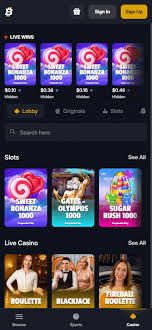
In contrast, established off-chain gambling platforms typically have risk management strategies, insurance, and customer support systems in place to protect players from fraud and theft. This added layer of security influences many gambling enthusiasts to choose traditional channels over emerging blockchain platforms.
Game Variety and Immersive Experiences
Off-chain gambling operators have been around for years and often boast extensive libraries of games and betting options. From traditional table games to poker variants and diverse sports betting options, these platforms provide a rich variety of choices to attract and engage players.
Additionally, many off-chain operators invest heavily in technology to enhance user experience, such as live dealer games, interactive interfaces, and sophisticated graphics. These immersive experiences create a sense of excitement and engagement that can be difficult to replicate in the relatively nascent on-chain gambling sector.
The Limits of Cryptocurrency Adoption
While cryptocurrencies have come to the forefront of many financial discussions, their adoption for gambling isn’t as widespread. Many potential users remain hesitant to use cryptocurrencies for betting due to volatility, lack of understanding, and potential regulatory concerns. This hesitance limits the appeal of on-chain gambling platforms, resulting in a stronger preference for off-chain solutions where traditional currencies are used.
Marketing and User Acquisition Strategies
Off-chain gambling platforms have well-established marketing strategies and loyal customer bases. They often employ bonuses, promotions, and loyalty programs to attract and retain users. This established ecosystem gives off-chain platforms an advantage in user acquisition and retention compared to newer on-chain gambling ventures that have yet to build their reputations.
The Future of Gambling: A Hybrid Approach?
Despite the current dominance of off-chain gambling, it does not preclude the potential rise of on-chain solutions. As technology matures and users become more comfortable with cryptocurrencies, there may be increased demand for on-chain gambling options.
A hybrid approach combining the strengths of both off-chain and on-chain gambling might provide a balanced solution. This could facilitate wider acceptance and potentially lead to innovations that tackle the drawbacks of each system. Having the best of both worlds—centralized reliability with decentralized transparency—could redefine how gambling operates in the future.
Conclusion
In conclusion, while off-chain gambling currently dominates the landscape due to its convenience, familiarity, and established trust, the evolution of technology may one day lead to a more integrated gambling ecosystem that embraces the advantages of on-chain platforms. For now, understanding why most gambling remains off-chain illuminates both the challenges and opportunities facing the gaming industry. Players and operators alike should keep a keen eye on the developments in blockchain technology, as its implications for gambling are further explored.